Jay Walmsley — Professional Problem Solver for Small Business
30+ years in sales, marketing and community building across APAC. I help small businesses win customers, build referral pipelines, and create partnerships that actually grow revenue.
I install the Infrastructure—Networking, Education, and Technology—that turns a "Business" into a Sovereign Territory.

"Jay Walmsley is the Chief Chaos Coordinator and the Architect of Bconnected World. After decades of navigating the friction of traditional networking, Jay codified the Bconnected Blueprint—a mandate for business owners to reclaim their data, their time, and their reputation. He doesn't just run a network; he governs an ecosystem designed for 100% closing rates and zero-waste marketing."

Professional Problem Solver
A 30-year track record in sales, marketing and local community-building — practical help, not theory.
The Reputation Loop - Stop "pitching" and start positioning. We use values-based networking to build your Authority Equity.
Institutional Mentorship- Transition from Founder to Architect through our Process Driven curriculum.
B.O.S.S. Infrastructure - Data is Sovereign. We install the systems that automate your growth and protect your time.
"Most business owners are screaming into the void of the 3% who are ready to buy today.
I build the Reputation Loop so the other 97% choose you the moment they are ready. We don't chase the rain; we build the bucket."
The +5 Standard:
Operating a high-density ecosystem across the NSW and QLD corridors.
Framework Creator:
Architect of the Reputation Loop—the strategy currently governing hundreds of high-growth businesses.
Sovereign Legacy:
Transitioning businesses from "Owner-Dependent" to "Market-Dominant."
Contact & Social — Quick Links
how to reach Jay across channels.
instagram.com/bconnected.au
The 70-AI-Bot Trap: Why More Tools Won't Save Your Small Business
The 70-AI-Bot Trap: Why More Tools Won't Save Your Small Business (And What Actually Will)
We’ve all seen the Facebook ads. You know the ones. They start with a gut-punch that every small business owner feels in their soul:
“You need help but can’t afford to hire. Freelancers cost $2,000–$5,000 a month. Full-time employees cost even more…”
You’re nodding. Your coffee hasn’t kicked in yet, you’re currently wearing four different business hats (CEO, accountant, customer service rep, and the person who empties the office bin), and your budget is tighter than a pair of skinny jeans after Christmas.
Then comes the pitch:
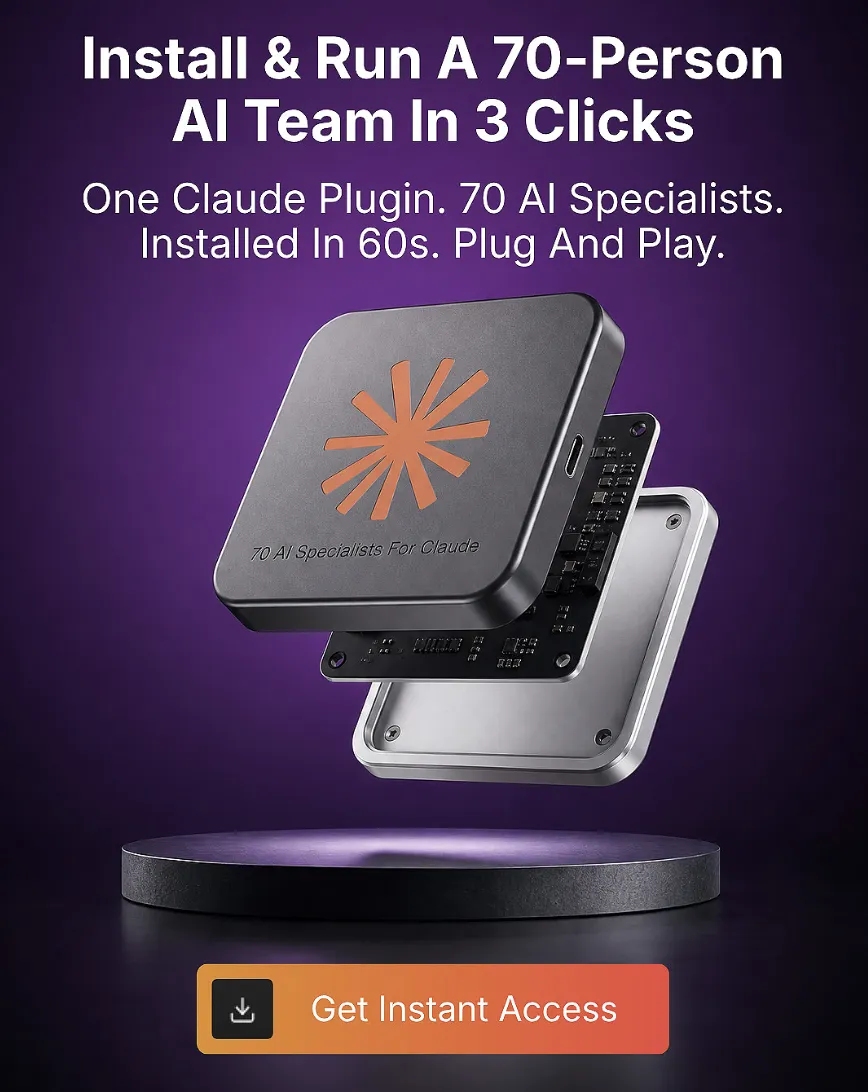
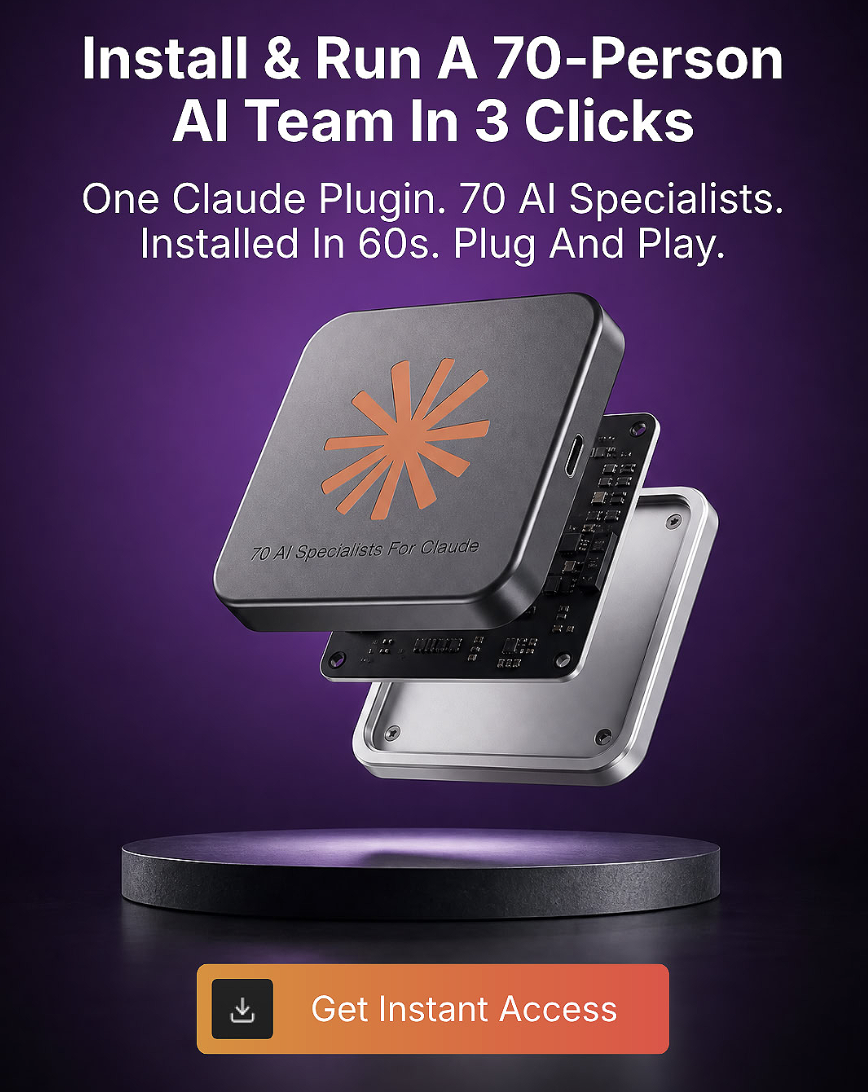
“What if you could get 70 AI Specialists for $57 (one-time)? Copywriters, marketers, analysts, strategists. Available 24/7. One payment. Keep forever.”
Seventy digital employees for less than the price of a decent dinner? It sounds like a dream.
But let’s take a breath, pour another cup of coffee, and look at this realistically. Seventy AI bots is not a solution. It’s a chaotic, digital circus. Here is why buying a digital army of 70 bots is actually a terrible idea for your small business, and why the real secret to scaling is "less is more."
The Myth of the 70-Bot Army
Let’s play a quick game of imagination. Suppose you actually hired 70 human freelancers tomorrow morning. Even if they worked for free, what would your day look like?
You would spend 100% of your time managing them. You’d be answering questions, copying text from the "junior SEO specialist bot" over to the "email marketer bot," fixing formatting errors, and trying to remember which bot is named "Analyst #4."
When software companies try to sell you 70 different bots, they are selling you fragmentation. They are selling you a massive list of disconnected, isolated prompts that don't know each other exist.
Your "Copywriter Bot" doesn’t know what your "Strategist Bot" just decided.
Your "Social Media Bot" has no idea what your "Customer Service Bot" is saying to real people.
The Result: You become a glorified, unpaid data-entry clerk, copy-pasting information back and forth between dozens of windows.
The Magic Number: Why You Only Need 2 or 3
You don't need an army. You need a tight, highly efficient executive team.
In the real world, successful automated systems rely on two or three core AI integrations that actually talk to your existing business systems. Instead of 70 separate tabs open on your browser, you want a few deeply integrated systems that do what they do best without requiring your constant babysitting.
Here is what a lean, smart AI setup actually looks like:
1. The Operational Integrator (The Brain)
Instead of a standalone bot, this is an AI tool connected directly to your CRM, project management software, or customer data (using tools like Zapier or Make). When a new lead comes in, this "brain" automatically logs it, categorizes it, and updates your calendar. No copy-pasting required.
2. The Context-Rich Content Engine (The Voice)
Instead of 15 different bots for blogs, tweets, and emails, you need one central AI assistant that has been fed your specific brand guidelines, your tone of voice, and your product details. This ensures that whether it’s drafting an email or an article, it sounds like you, not a generic robot.
3. The Front-Line Assistant (The Gatekeeper)
A singular, well-trained customer support or lead-qualification assistant that connects directly to your website or inbox. It handles basic FAQs and books meetings directly into your calendar while you sleep.
Integration is the True Superpower
An AI tool is only as good as the systems it connects to.
If an AI bot lives inside a closed ecosystem on a random website you paid $57 for, it’s a toy. If an AI tool connects to your Google Sheets, your email provider, your CRM, and your calendar, it’s a team member.
When your systems integrate:
Data flows seamlessly: You don't lose information between tasks.
Automation actually means automation: You set it up once, and it runs in the background.
You save time, not just money: True leverage isn't about having the most tools; it's about having the fewest tools that do the most heavy lifting.
So, the next time an ad tries to sell you 70 AI specialists for the price of a takeaway meal, remember: you don’t need a crowd of loud, disconnected robots. You need two or three quiet, integrated workhorses.
Key Takeaways & Next Steps
Don't let shiny object syndrome distract you from building a sustainable business. If you want to scale without losing your mind, here is your action plan:
Stop Buying Prompt Packs: Resist the urge to buy massive bundles of standalone bots or prompts. They create clutter, not clarity.
Audit Your Bottlenecks: Identify the one repetitive task that takes up most of your time this week (e.g., scheduling, drafting basic emails, data entry).
Look for Native Integrations: Find one AI solution that natively connects with the software you already use every day.
Focus on Depth over Breadth: Master one automated workflow before trying to build a second.